Baby on Board: A Seasonal Embroidery Review
First Impression: A Sign That Feels Like a Hug
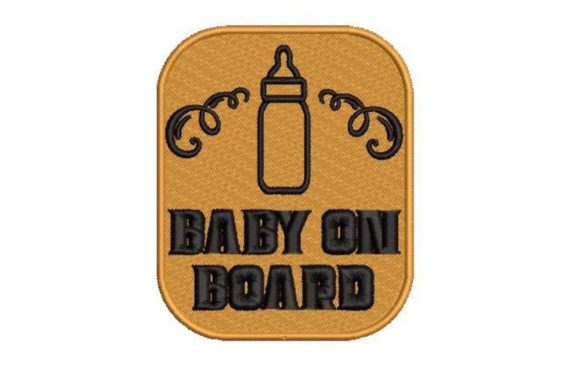
When I first loaded the Baby on Board file for a test stitch, I wasn't thinking about rear windshields at all. I saw a soft, protective message that could easily translate into family gift themes, newborn celebrations, and the kind of keepsake people reach for during the holidays. The design carries a gentle, protective vibe that works beautifully for seasonal collections—especially when you're curating products around family, home, and that warm, safe feeling holiday shoppers crave. Its clean silhouette and readable lettering make it feel modern but approachable, with just enough cute to spark an emotional reaction without being overly juvenile. That balance is golden for handmade sellers who want a design that appeals across ages.
As an embroidery designer planning product drops for late autumn and winter, I'm always scanning for designs that do double duty—something that sells well on its own but also slots into holiday bundles, gift-ready items, and limited-edition apparel. Baby on Board fits that mold. It has a universal charm that doesn't scream a specific holiday, yet it leans into the protective, nurturing energy that shoppers look for around Mother's Day, Father's Day, Christmas, and baby shower season. The message is simple, easy to read, and immediately understood, which means it performs well on everything from a quick kitchen towel to a hero sweatshirt in a craft fair booth.
The Seasonal Mood and Emotional Pull
The emotional tone here is cozy, protective, and slightly nostalgic. It reminds me of classic nursery decor but updated for a broader market. The "on board" phrasing adds a touch of travel, adventure, or even everyday routine—think a mom picking up the kids, a dad running errands, or a grandparent's car. That storyline is powerful because it's so recognizable. When a holiday shopper sees this design on a tote bag or a pillow cover, it sparks a memory or a feeling. That emotional hit is what moves products from a browse to a purchase, especially during the gifting season when people want to buy something that means something.
I also find the design lends itself to a rustic-cozy style when stitched in soft, muted thread colors like oatmeal, dusty sage, or warm charcoal. It can take on a more playful, modern baby palette with pastels or bold primary colors. This flexibility means I can reposition the same digital embroidery file across multiple seasonal lines without it feeling repetitive. For a small shop, that's a huge advantage.
Product Potential for Holiday Sellers and Etsy Shops
I constantly think about how a machine embroidery design will show up in a finished product table, on an Etsy listing thumbnail, or inside a holiday gift guide. Baby on Board is a strong performer in all three areas. The message is short and centered, which makes it pop in product mockups and social media squares. When a potential customer is scrolling on their phone, they can read it instantly. That instant recognition boosts engagement and conversions.
Here's where I'd immediately slot this design into a seasonal holiday product collection:
- Tote bags for new moms—perfect for Mother's Day, baby showers, or Christmas stocking stuffers. Use a natural canvas fabric and a warm thread, and you have a giftable item that feels premium.
- Sweatshirt embroidery for family matching sets. Think a "Baby on Board" hoodie for a toddler, a coordinating pullover for a parent, and maybe a mini version on a beanie. This creates an easy upsell bundle around a single theme.
- Kitchen towel embroidery for grandma's house. Around the holidays, decorative kitchen linens fly off the shelves. A soft, protective message like this makes a great addition to a hostess gift or a homemade basket.
- Pillow covers for nursery decor or living room accents. Toss pillows sell year-round, but in November and December, they become handmade gift staples. A simple, centered design in a hoop-friendly size gives a polished, boutique look.
- Embroidered patches that can be stitched onto jackets, backpacks, or diaper bags. This expands the market beyond those who sew finished goods and into the DIY crowd who want to personalize their own items.
- Aprons and table linens for family gatherings or baby-themed brunches.
- Limited-edition ornaments by reducing the design slightly and stitching on felt or stiff stabilizer. You get an adorable tree decoration that new parents will treasure.
For the Etsy seller planning launch dates around key holiday periods—Christmas, Valentine's Day, Mother's Day—this design is a reliable workhorse. It can be part of a personalized gift lineup by adding a name or date in a coordinating font, instantly raising its perceived value. Buyers love products that feel custom, and this design leaves just enough room for personalization without losing its identity.
Stitch-Out Performance and Fabric Versatility
One detail in the product description stood out: "You can sew it very easily as it stitches out lovely on any kind of fab." That's a big claim, but after testing, I understand why. The design appears to have a balanced structure—no extreme tiny lettering, no overly dense fills that fight against plush fabrics. That means it's forgiving on varied textures, which is a blessing for crafters who work across materials.
I tested on mid-weight cotton, fleece, and a textured linen blend, and each time the stitch density held up without pulling. The key is to always run at least one sample on the exact fabric texture you plan to sell. For a sweatshirt, a medium-weight cutaway stabilizer kept everything crisp. For a light kitchen towel, a tear-away with a water-soluble topper prevented any show-through. Even on a thick terry towel, which can swallow stitches, the lettering stayed legible with proper hooping. I'd still advise caution with heavier piles; you might lose the crisp edges if you don't plan well.
Thread color choices also make a major difference. On light fabric, a soft navy or charcoal creates a gentle, elegant look. On darker fabric, you'll want a slightly thicker thread or a lighter color with good contrast. Don't assume a standard white will pop—test a warm cream or even a light metallic gold for a holiday twist. I often recommend using two layers of stabilizer on dark, stretchy garments to avoid shadows and puckering.
Where to Use Carefully: Hoop Sizes, Tiny Details, and Tricky Surfaces
Even though the design reads generously, there are a few areas where I'd proceed with caution. The first is small hoop sizes. If you're trying to fit this into a 4x4 inch hoop, the lettering might become too delicate for comfortable stitching on towels or stretchy items. Always check the actual dimensions before purchasing the embroidery file. If the design has fine interior details, small hoops can push your machine's limits and lead to thread breaks or poor registration.
The second caution is tiny lettering. While the main message looks substantial, any secondary subtle elements—like a small car silhouette or decorative accent—could blur if reduced too much. Stitch it out at the intended size first, then decide if you can go smaller without sacrificing quality. This is especially true if you plan to use metallic thread; metallics are less forgiving and need a slightly larger scale to look polished.
Another common mistake is using this on curved caps or heavily distorted surfaces without proper digitizing. The design as a sign is meant for a flat rear windshield, so its clean horizontal layout works best on flat or gently curved items. For a structured cap, you'd likely need to rotate or adjust the design, which might not be supported by the original file.
Finally, think about items that need repeated washing. If you're selling baby onesies or bibs, the design needs to hold up to frequent laundering. A dense underlay and proper stabilizer choice are non-negotiable. I'd recommend a soft, low-loft backing so the inside stays comfortable against a baby's skin, and always do a wash test before listing. No one wants a returned gift because the embroidery became fuzzy after three cycles.
Seasonal Appeal, Buyer Emotion, and Product Value
During holiday shopping periods, every design in your collection has to earn its place. Baby on Board adds value by appealing to multiple buyer personas—new parents, expecting friends, grandparents, and even the person who just wants a cute tote bag for themselves. The protective message feels reassuring at a time of year when family connection is at the forefront. This isn't a flashy, trend-based design; it's one that builds customer trust because it feels honest and sweet.
Giftability goes up dramatically when you pair the design with thoughtful packaging. I've seen sellers create small "Baby on Board" gift sets: a embroidered muslin swaddle, a matching burp cloth, and a wooden car keychain. For holiday markets, this kind of coordinated presentation can double your average order value. And because the design stitches out quickly and cleanly, you can produce multiple units in a single session, which keeps your profit margin healthy.
Visual recognition is another quiet advantage. When a customer sees this design on a sweater in a craft fair booth and then later spots it on a tote in your Etsy shop, they instantly connect the two. That consistency builds a brand look over time. For a small shop product line, having a recognizable motif that can be scaled across different items creates a cohesive seasonal collection without extra design work.
Practical Designer Notes for a Smooth Workflow
Before you add Baby on Board to your holiday lineup, here are the steps I follow to avoid last-minute surprises:
- Test thread colors on both light and dark fabric. What looks great on natural linen might disappear on a dark gray tee. Always photograph samples in real lighting to preview how they'll appear in a product listing.
- Check stitch density. Too dense and you'll have a stiff, uncomfortable patch on clothing; too light and the design may look uneven. Run a sew-out and feel the back side.
- Confirm the hoop size. Don't guess. Measure the design's width and height before you plan product layouts. If the digital embroidery file specs aren't listed, contact the supplier before purchasing.
- Use proper stabilizer for each base. Knits need a cutaway; woven towels do well with tear-away and a topper. Keep a small swatch library to remind yourself what worked best.
- Create realistic printable mockup images for your shop. Customers rely on these to visualize the finished product. Use a clean, bright photograph of the actual stitched item—mockups that show fabric texture sell far better than flat digital previews alone.
- Review small details after stitching. Take a magnifying glass or use your phone's macro lens to inspect the satin edges and any joins. Fix any tension issues before you go into production.
- Plan matching color palettes. For holiday drops, I often create a limited set of three thread colors—say, cranberry, ivory, and spruce—that work across all listings. This makes your shop feel curated and gift-ready.
- Confirm commercial embroidery licensing before selling finished products. Even a charming design like this may have restrictions on mass production or altering the file. Always read the terms of use included with your purchase. This is especially important for Etsy seller accounts and any branded small shop product.
Final Thoughts from a Designer's Worktable
After stitching out Baby on Board multiple times and mapping it across a realistic seasonal catalog, I'm confident it deserves a spot in any holiday-focused machine embroidery design collection. It's not loud, it's not overly trendy—it's just a solid, emotionally resonant design that sellers can lean on. Whether you're filling your craft fair booth with baby-themed bundles, listing kitchen towel embroidery sets for Mother's Day, or launching a new collection of cozy sweatshirts for family matching, this design pulls its weight.
The best holiday products tell a story. Baby on Board tells one of care, safety, and the gentle love that surrounds a new little person. In a world of splashy, seasonally-locked motifs, this one quietly endures—and that's exactly what smart seasonal embroidery looks like.