Pony Unicorn Outline: A Designer’s Honest Review
Sometimes a single embroidery file can shift the direction of an entire project. When a customer recently asked for a delicate, storybook-inspired tote bag for her daughter’s birthday, I started scrolling through Creative Fabrica’s embroidery category. That’s where I stopped on the Pony Unicorn Outline design. It promised a clean, outlined character ready to add charm to any fabric. I downloaded it, tested it, and now I’m sharing exactly what I discovered—from first stitch to final product—so you can decide if this machine embroidery design deserves a spot in your own commercial embroidery lineup.
First Impression: Whimsy in Every Line
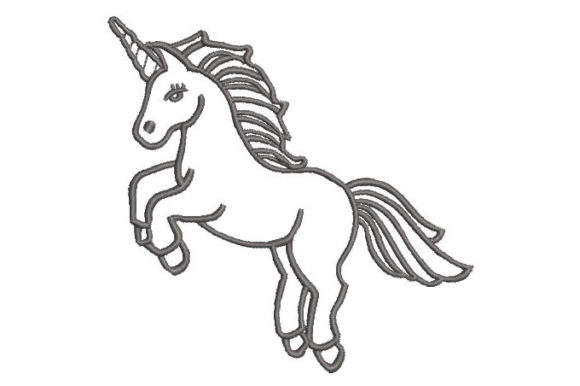
Opening the embroidery file, I immediately noticed how the designer leaned into simplicity without sacrificing personality. The Pony Unicorn Outline is primarily a running stitch composition, with a few carefully placed fill stitch accents that give the mane and tail subtle texture. It feels light, airy, and distinctly modern—far from the heavy, overly dense designs that can pucker lightweight fabric. The unicorn’s pose has a gentle tilt, almost as if it’s mid-gallop through a fairy tale forest. As someone who designs custom apparel and handmade products, I appreciate a design that breathes; this one does exactly that.
The outline style instantly reminded me of storybook illustrations. It carries that nostalgic Fairy Tales mood without being cartoonish, which opens up a wide range of uses. The lack of heavy satin stitch means the finished embroidery drapes softly on garments and doesn’t create a stiff patch. For anyone building a boutique collection around children’s wear, nursery decor, or whimsical handmade gifts, this digital embroidery file hits a sweet spot.
Where This Unicorn Really Belongs
After running the first test stitch on a cotton-linen kitchen towel, I started mentally slotting this design into different product categories:
- Children’s custom apparel: Dainty enough onesies, yet bold enough for a sweatshirt back. The outline reads clearly without overwhelming a small chest print area.
- Tote bags and book bags: A single-color thread version on canvas creates an elegant, minimalist look that appeals to both kids and adults who love subtle magical themes.
- Pillow covers and nursery wall art: Stitched inside a small hoop and framed, this becomes a charming keepsake. On a soft muslin pillow cover, it adds a handmade touch that buyers treasure.
- Embroidered patches: Because the design is light on stitch density, it works beautifully on felt or twill backing. A tiny iron-on unicorn patch can elevate a denim jacket, cap, or backpack.
- Seasonal market goods: Think spring craft fairs and Mother’s Day. Pair the Pony Unicorn Outline with floral lettering for a personalized gift that sells quickly.
One surprise was its adaptability on a curved cap surface. Many designs with complex fill stitches struggle there, but this outline-based motif curved around a hat front smoothly with the right stabilizer. If you sell embroidered caps, don’t overlook this one.
Stitching Performance: What the Machine Doesn’t Tell You
I tested on a mid-weight sweatshirt fabric, a cotton apron, and a stretchy baby onesie. The results varied, as they always do, but a few things stood out.
On the sweatshirt, I used a medium-weight cutaway stabilizer and chose a soft pastel thread palette: pale lavender for the body outline, gold for the horn, and a subtle teal for the mane accents. The Pony Unicorn Outline stitched out cleanly, with no thread breaks and minimal trims. The running stitch lines stayed smooth, even when the machine picked up speed over slight fabric texture. Because the design is light on stitch density, the fabric remained soft and wearable—exactly what you want for a garment that might be worn all day.
The apron was trickier. I used a dark denim background and almost made the mistake of choosing thread with insufficient contrast. A silvery metallic running stitch that looked brilliant on the screen nearly disappeared into the indigo. Lesson learned: always test thread color contrast on a scrap of your actual fabric before hooping the final piece. I switched to a creamy cotton thread with a slight sheen, and the design instantly came to life. The horn details, delicate as they are, needed that contrast to pop.
The baby onesie, made of interlock cotton with moderate stretch, was where I held my breath. I fused a no-show mesh stabilizer, floated a piece of tear-away underneath, and kept the hoop as tight as safely possible. The beauty of this embroidery file is its open structure—there’s no large satin stitch area to distort or crack when the fabric stretches. The design survived a gentle wash cycle without any puckering, though I recommend turning the item inside out and using a delicate bag. For items that parents will wash frequently, this light stitch load is a huge advantage.
Small Hoop Play and Tiny Letters
The description mentions the design comes in multiple sizes, though I always recommend checking the specific included dimensions on the Creative Fabrica product page. I stitched a version meant for a 4x4 hoop and one scaled up. The smaller iteration fit well, but watch those tiny horn lines. At under two inches wide, the very tip of the horn became a single needle penetration risk on dense fabric. I adjusted my machine’s slow-down setting around that section and elongated the thread feed slightly. It worked, but it reminded me that the smallest possible size isn’t always the most practical. If you’re embroidering on textured fabric like waffle weave or terry cloth, aim for a slightly larger print area so those thin outlines don’t bury themselves.
Tiny lettering isn’t part of the design itself, but many of us will pair it with a name or phrase. If you plan to add text, keep lettering simple and size it generously. The Pony Unicorn Outline has an elegant but lightweight presence; chunky, heavily satin-stitched letters can overpower it. I used a delicate script with minimal satin stitch and matched the thread weight carefully. The combination felt balanced, as if the text and the unicorn came from the same storybook page.
From Design File to Commercial Product: What Are You Actually Selling?
When you list a finished item using this design—whether on Etsy, at a craft fair, or in your boutique shop—you’re not just selling embroidery. You’re selling a slice of imagination. The Pony Unicorn Outline helps you deliver that without the needle drama that denser designs sometimes bring. Here’s how that translates to real-world value:
- Buyer trust: A well-stitched, soft-hand outline design looks professionally made, not mass-produced. It signals care.
- Visual appeal: The open, sketch-like quality photographs beautifully. On product mockups, it catches light differently than solid fill designs and gives a modern, artisanal feel.
- Brand consistency: If your brand revolves around delicate, magical, or nostalgic themes, this design aligns perfectly with that identity. Returning customers notice when your products share a cohesive visual language.
- Giftability: An embroidered item featuring the Pony Unicorn Outline feels personal and intentional. It’s the kind of present that gets displayed, not hidden in a closet.
For Etsy sellers, this design fits neatly into the “personalized gifts” niche. Pair it with a name, a short quote, or a birth announcement detail, and you have a listing that’s hard to replicate exactly. Its Fairy Tales category origin on Creative Fabrica makes it easy to include in curated collections—unicorn lovers, storybook themes, woodland nursery, you name it.
What About Commercial Embroidery at Scale?
If you’re running multiple machines or fulfilling a batch order for a boutique, efficiency matters. This design runs relatively quickly because it’s not jam-packed with fill stitches. Fewer thread changes and minimal trims mean faster turnaround. That said, if your production relies heavily on pre-programmed color sequences, you’ll want to digitize a multi-needle version in your embroidery software using the file as a base. But the supplied embroidery file provides a clean foundation to work from. I had no issues opening the file formats provided, but as with any digital product, confirm compatibility with your machine’s software before committing to a large batch. Always double-check the technical details on Creative Fabrica’s product page; formats and sizes can vary, and you don’t want to discover a missing file extension at the last moment.
Designer’s Notebook: Stitch Density, Stabilizer, and Fabric Swaps
Over several test runs, here are the practical nuggets I scribbled down. If you download the Pony Unicorn Outline, consider this your field guide:
- Stabilizer is not optional: Yes, the design is light, but it still needs a foundation. On wovens, a medium tear-away worked well; on knits, I preferred a fusible mesh to keep those fine running stitch paths from shifting mid-hoop.
- Density check is built in: Because the design uses mostly open lines, you won’t face the dreaded bulletproof patch of dense fill. That’s a win for sensitive skin and stretchy fabrics alike.
- Dark fabric demands higher contrast thread: Test a small section on a sample. A medium blue on navy may vanish; a soft pink on white might become nearly invisible in bright product photography. Adjust accordingly.
- Layered details are minimal: The mane and tail feature small fill stitch accents, but they’re not truly layered in a way that requires color stops. I stitched the main body in one color, then switched to accent colors for those sections. Easy to manage, even for beginner embroiderers.
- File and licensing verification: The description indicates multiple embroidery files are included. I made it a habit to open the folder, check the file types, and review the Creative Fabrica license for commercial use before listing any finished products. Peace of mind keeps your shop safe.
Product Photography and the Magic of Outline Stitches
Photographing dense, glossy satin stitch embroidery can be a headache—hot spots, glare, and color distortion. The Pony Unicorn Outline, with its mostly running stitch surface, was a joy to capture. On a textured linen tote bag, the light raked across the stitch lines, giving a subtle three-dimensional effect without harsh reflections. I experimented with flat lays on a wood surface and lifestyle shots held by a child’s hand. In both setups, the design translated clearly into digital images. That matters enormously if you sell online, where the photo is the product until the package arrives.
One styling trick: use a complementary fabric background that echoes the Fairy Tales mood. A soft mint or blush pink base lets the unicorn outline stand out without competing. Avoid busy prints behind the embroidery, as the fine lines can visually tangle with patterned fabric. A simple, solid-color canvas lets the handcrafted detail shine.
Who Is This Design Really For?
After finishing my project and handing over the tote bag, I stood back and honestly asked myself who would benefit most from this embroidery design. The answer: anyone who needs a versatile, lightweight character design that works across a variety of applications without requiring expert-level thread management. It’s beginner-friendly enough for someone new to machine embroidery, yet polished enough for seasoned sellers who want to expand their whimsical collection without buying a full set.
It suits small business owners making custom apparel, crafters preparing for seasonal markets, and DIY enthusiasts stitching one-of-a-kind gifts. If your niche leans toward magical, delicate, or nostalgic imagery, the Pony Unicorn Outline might become a staple in your digital embroidery library. Just remember to do your due diligence: test on scrap fabric, confirm hoop sizing, choose thread colors that complement the fabric, and always verify the product details and license before you start selling finished items.
In a world of heavily layered applique designs and hyper-dense fills, this outline-based approach stands out for its quiet confidence. It doesn’t shout; it whispers. And sometimes, that’s exactly what a customer wants.