Star with Decoration: A Designer's Real-Stitch Review
Some embroidery designs look charming on a screen. Others actually hold up when thread meets fabric, when the hoop comes off, and when a finished product lands in a customer's hands. The Star with Decoration design falls into that second category, but like any motif you plan to stitch for profit or personal joy, it deserves a hard look before you commit thread and time.
I pulled this design into my workflow while preparing a small batch of linen pillow covers for a boutique client who wanted a subtle celestial theme, nothing cartoonish, nothing overly intricate, just a clean, decorative star that could anchor a handmade product without shouting for attention. Here is what I learned after testing, stitching, and thinking through how this design behaves in real project conditions.
First Impression and Visual Personality
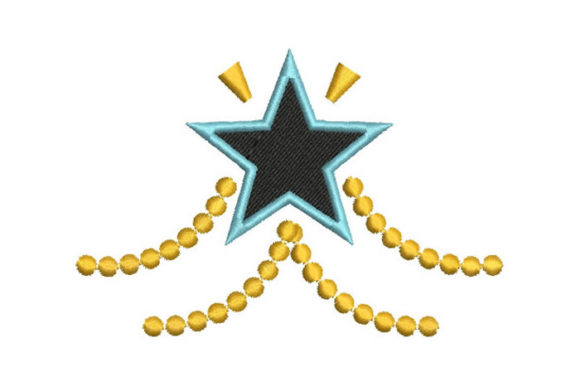
The Star with Decoration design strikes a balance that is harder to achieve than most people realize. It carries a gentle ornamental feel without tipping into fussy or fragile territory. The decorative elements built into the star shape add just enough visual interest to make a finished piece feel intentional, not plain, yet the overall silhouette reads clearly as a star even at a glance. That clarity matters when you are selling products, buyers make split-second decisions, and a muddled shape can cost you a sale before anyone reads your product description.
There is a warmth to this motif. It does not feel cold or aggressively modern, nor does it lean heavily rustic or vintage. It sits in a versatile middle ground where it could complement a baby onesie just as comfortably as a kitchen towel set or a canvas tote bag. The celestial theme gives it broad appeal, and the decorative interior details suggest care and craftsmanship without requiring an advanced skill level to execute well.
Where This Design Truly Belongs
After running test stitches on mid-weight cotton and a cotton-linen blend, I kept circling back to the same conclusion: this design shines brightest on home textile products and personal accessories. Think pillow covers, tea towels, aprons, simple tote bags, and nursery decor. The scale and detail level seem calibrated for items where the embroidery becomes a focal point without overwhelming the product itself.
For custom apparel, the design works well on structured areas like a sweatshirt chest placement, a jacket back panel, or the upper portion of a denim shirt. I would be more cautious with thin t-shirts or highly stretchy fabrics unless you are confident in your stabilizer choices and willing to test thoroughly. The decorative interior elements include details that could distort if the fabric shifts during stitching, so a solid hooping technique and a reliable cut-away stabilizer become non-negotiable on knits.
One scenario that kept coming to mind during testing: an Etsy seller offering personalized baby name blankets with a celestial theme. This star motif paired with a simple script name underneath would create a product that photographs beautifully, appeals to gift buyers, and stitches consistently once settings are dialed in. The design provides enough presence to carry a product photo thumbnail, which is no small thing in a competitive marketplace.
Real Project Walkthrough: The Linen Pillow Test
My test run involved a natural linen pillow cover, medium weight, with a subtle slub texture. Linen can be unforgiving. It shifts, it has an open weave, and dense embroidery can pull or pucker if you are not careful. I hooped the fabric with a medium-weight cut-away stabilizer, chose a soft cream thread for the star body with a muted gold accent for the decorative interior elements, and ran the stitch-out at a moderate speed.
The result surprised me in a good way. The Star with Decoration design stitched cleanly. The outer shape stayed crisp, the interior decoration read clearly even against the linen texture, and there was minimal puckering around the edges. I did notice that the decorative fill areas benefited from a slightly looser top tension on my machine, your mileage will vary, but the point is that small adjustments make a visible difference, and this design rewards a test stitch before you commit to a full production run.
If I were selling these pillow covers at a craft fair or through a small shop, I would feel confident presenting the finished product. The embroidery looked professional, not homemade in the wrong sense. That distinction matters enormously when you are building a brand around handmade goods. Customers expect clean lines, even stitching, and a design that looks deliberate. The Star with Decoration delivers on all three fronts.
Fabric and Color Considerations That Actually Matter
One of the most useful exercises I do with any new machine embroidery design is to visualize it across different fabric backgrounds. On light fabrics, this star reads as airy and delicate. On dark fabrics, the same design gains weight and drama. Neither is inherently better, but the mood shifts significantly, and that affects how you market the finished product.
If you stitch this design in white or cream thread on a charcoal sweatshirt, you get a striking contrast that photographs well and appeals to a modern minimalist aesthetic. If you use a soft metallic or pale blue thread on a white baby blanket, the feeling becomes tender and nursery-appropriate. The design itself does not change, but your thread color choices and fabric pairings define the final product personality. I recommend testing at least two contrasting combinations before settling on your shop's standard offering.
A note on stitch density: the decorative interior contains areas where threads overlap or run close together. On tightly woven fabrics like quilting cotton or twill, this poses no problem. On loosely woven linen or loosely knit sweater material, those denser areas could create stiffness or slight pulling. Use a topper on textured or napped fabrics, and consider a softer stabilizer if the finished piece needs to drape well, especially for apparel items that will be worn rather than displayed.
Small Details, Big Impact on Customer Trust
Here is something I have learned from years of selling embroidered goods: small design flaws in an embroidery file become glaring trust-breakers when a customer holds the product in their hands. Uneven satin stitch edges, gaps in fill areas, or decorative elements that blur together under normal viewing distance, all of these signal to a buyer that something is slightly off, even if they cannot articulate why.
The Star with Decoration design, at least in the version I tested, held up under scrutiny. The decorative interior elements stayed distinct. The outer star points remained sharp. I inspected the stitch-out under bright light and from a typical viewing distance of about two feet, which is how most people look at an embroidered pillow or wall hanging. No issues stood out. If you are selling products to customers who care about quality, and most do, that consistency builds repeat business and reduces returns or complaints.
Practical Designer Notes Before You Stitch
Every embroidery design benefits from a testing routine, and this one is no exception. Here is what I recommend before you use the Star with Decoration design in a client project, a product listing, or a commercial run:
- Always stitch a test sample on fabric that closely matches your final product material. Scrap fabric is fine for checking tension, but the real test happens on the actual substrate you will sell.
- Check thread color contrast carefully. What looks subtle and elegant on screen can turn muddy or invisible once stitched, especially on busy or textured backgrounds.
- Inspect the design in a black and white mockup or grayscale preview. If the decorative elements lose definition without color, reconsider your thread choices or fabric pairing.
- Use an appropriate stabilizer for your fabric type. Cut-away for knits and stretch, tear-away for stable wovens, and always consider a water-soluble topper for fluffy or textured surfaces.
- Confirm the hoop size required before purchasing. The product description indicates multiple embroidery file formats are included, but verify your machine's compatibility and the maximum stitch area available to you.
- Check the licensing terms before selling finished products. This design appears suitable for commercial embroidery projects, including physical items sold through shops, craft fairs, or Etsy, but do your own due diligence on usage rights.
Who Should Use This Design, and Who Should Wait
If you are a small business owner making handmade gifts, boutique home decor, personalized baby items, holiday ornaments, or craft fair merchandise, this star motif deserves a spot in your design library. It offers versatility across multiple product types, stitches reliably when settings are correct, and appeals to a broad audience that includes gift shoppers, nursery decorators, and anyone who gravitates toward celestial themes.
If you primarily work with very small hoop sizes, such as a 4x4 inch frame, verify that the design fits comfortably without scaling down to a point where fine details collapse. Some decorative elements rely on enough space to breathe. Shrinking the design too aggressively could turn delicate interior work into a dense, muddled patch that frustrates rather than delights. Similarly, if you specialize in highly textured or performance fabrics, you may need to invest extra time in testing before the results meet your standards.
For digital product sellers and printable mockup creators, this design offers a clean, recognizable shape that photographs well and presents clearly in listing images. The celestial motif photographs nicely in natural light and against simple backdrops, which saves you editing time and helps your product thumbnails stand out in crowded marketplaces.
A Motif That Earns Its Place in Your Rotation
The Star with Decoration design is not the kind of file you use once and forget. It fits into a Shapes category that naturally recurs across seasons and trends. Celestial motifs move in and out of fashion, but a well-executed star never truly goes out of style. It shows up in nursery themes, holiday collections, everyday accessories, and personalized gifts year after year. That longevity matters when you are building a craft business and want design assets that continue to generate value over time.
As an embroidery reviewer who has tested hundreds of designs on actual products that real customers hold, examine, and judge, I can say this one earns its place. It asks for reasonable preparation, rewards careful fabric and thread choices, and delivers a finished look that feels professional and giftable. Run your test stitch, dial in your settings, and you will likely find yourself reaching for this star motif more often than you expected.