Baby Fox Embroidery Design: Craft Fair Hit or Miss?
First Impression: The “Say What?” Factor
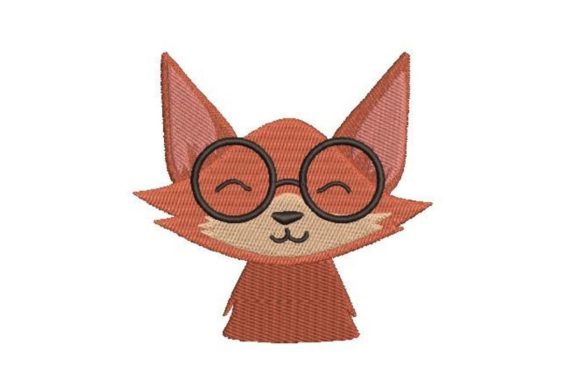
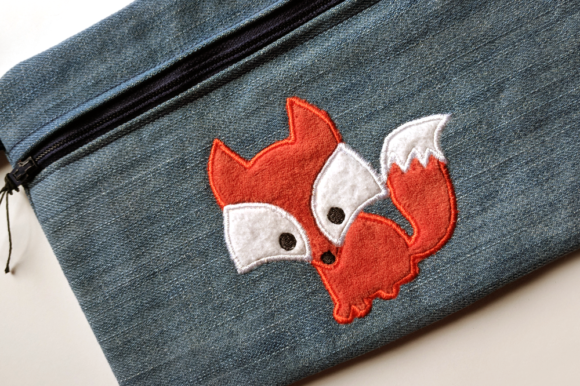
When I first unzip the digital embroidery file for Baby Fox, I can’t help but smile. The name itself—especially paired with that viral “what did the fox say?” energy—grabs your attention before a single stitch is laid down. As a designer who lives and breathes craft fair weekends, I immediately picture a little embroidered face staring back from a tote bag, a baby onesie, or a tea towel. The description clues us in: this is an embroidery machine applique of a sweet little baby fox. That word “sweet” is the north star here. We’re not dealing with a fierce predator or a hyperrealistic wildlife portrait. This is soft, approachable, and borderline snugly. It’s the kind of design that makes a passerby pause at your booth, tilt their head, and coo. That’s money in the bank for a handmade product seller.
The Woodland Animals category placement is spot on. Fox imagery has moved past trend into a cozy, enduring niche. For boutique makers and Etsy sellers, this means you’re not chasing a flash-in-the-pan gimmick. The baby aspect amplifies the appeal for newborn gifts, nursery decor, and children’s apparel. Right out of the gate, I’m judging whether this design will look as good stitched on a floppy market bag as it does in my thread library preview. My gut says yes—but let’s stitch it out, because as any experienced embroiderer knows, the screen is a liar until you create a real mockup.
Tote Bags and Market Bags
A tote bag design using Baby Fox is a no-brainer. Picture a natural canvas tote with the applique placed dead center. The fox’s rounded cheeks and tiny nose work beautifully as a focal point. Since tote panels usually give you a large, flat surface, you can run the design at a generous size without battling seams. For batch production, I’d pre-cut my fabric blanks and run a test stitch on a scrap of the same weight. The satin border of the applique creates a crisp, clean edge that looks intentional and premium. At a craft fair, a tote bag hangs on a rack or lies on a table—Baby Fox needs to read from five feet away. A design with strong silhouette shapes, like a fox head with pointy ears, will catch a customer’s eye even if they’re walking quickly.
Children’s Apparel and Baby Gifts
The product description directly calls out baby gifts and children’s clothes, and that’s where this design probably wins the most hearts. When I stitch Baby Fox on a soft cotton bodysuit, I need to avoid stiffness. Applique uses less internal stitch density than a fully filled design, so the fabric remains flexible—huge advantage for little bodies. I pay close attention to any tiny details: if the fox features miniature whisker stitches, they may close up on knit fabrics or after a few washes. For a boutique rack, I’d combine the fox with a subtle background fabric, like a heathered gray or pale blush, to let the orange thread pop. The adorable factor translates directly into impulse buys, especially when grandparents wander by with a grandkid in mind.
Kitchen Linens and Aprons
Don’t sleep on tea towel embroidery with this design. A flour sack towel with a small Baby Fox in the corner feels both rustic and modern—perfect for a farmhouse aesthetic or a woodland-themed kitchen display. An apron gets trickier. Apron embroidery often has to compete with curves, straps, and wear points near the pockets. I’d position the fox just below the bib or replace a pocket panel entirely. Textured towels—like a waffle weave—introduce a challenge: the looped surface can distort fine details. If the fox’s eye is a single satin stitch on a tiny scale, it could vanish into the weave. Test on a textured scrap is mandatory.
Patches and Small Accents
Turning Baby Fox into an embroidered patch opens up a whole new merchandising lane. Patches sell like crazy in a craft fair setting because they’re affordable impulse items. I’d stitch the design on a firm background, apply a heat-seal backing, and display them in a little basket. For small pouch embroidery, like a zipper pouch or a pencil case, the fox becomes a playful accent. The key here is scale—if the file comes with “multiple” sizes as hinted, I’d use a smaller version for accents and a larger one for centerpiece decoration.
Scale and Visibility: Does Size Matter?
From a selling standpoint, Baby Fox rides the line between bold statement and subtle accent. A fox head is inherently recognizable. Even at a smaller scale, the triangular ears and pointed snout register quickly. For a craft fair booth, I’d create at least one oversized sample—like a large pillow cover with a big Baby Fox —to draw attention. Simultaneously, I’d have smaller-scaled items ready for sale: a set of cotton coasters, a bib, a key fob. The design’s success hinges on your hoop size and the file’s actual dimensions. Since the product info doesn’t dictate exact sizes, I’d contact the supplier or check the file’s embedded specs. A 4x4 inch hoop version might suit patches and small garments, while a 5x7 or 6x10 inch version unlocks jackets, larger tote panels, and pillow fronts.
Baby Fox as a small accent works only if the stitch density balances clarity and coverage. A tiny satin-stitched nose can become a blob if the thread builds up too much. Conversely, a huge fox on a market bag frees you to use decorative background stitches without losing the applique’s shape. I always advise embroiderers to run the design at two extremes: the smallest and largest sizes they intend to sell. Photograph both next to a common object—a coin, a pen—so customers on an Etsy listing get zero confusion about scale.
Stitch Density and Detail Concerns
Applique designs often mask a hidden issue: the edge-covering stitch can get dense, especially around tight curves like ear tips. When I first test Baby Fox on scrap fabric, I look for puckering around the outer border. A too-dense satin stitch combined with the applique fabric sandwich can make the design feel like a cardboard patch, not a soft wearable piece. If I see stiffness, I adjust the underlay or stitch length in my machine’s editor—assuming the file permits editing.
Pay attention to potential small lettering. If the phrase “what did the fox say?” appears inside or around the design, that’s a red flag for tiny details. Small text often collapses on dark fabric, textured towels, or curved cap surfaces. I’d inspect the file for any lettering under 10mm. If present, I’d either enlarge the design or advise customers that it’s best stitched on smooth, stable substrates like a flat canvas tote or a firm quilting cotton. For a baby product, less is more; a wordless fox face often sells cleaner than a cluttered one.
Selling Strategies: Etsy Listings and Real-World Handmade Products
For an Etsy seller, Baby Fox is a goldmine for public-domain phrase tags. Combine “woodland nursery,” “fox lover gift,” and “baby shower present” and you’ll attract organic search traffic. But the photography must convince. I’d create a printable mockup showing the fox on a pristine white onesie, a linen pouch, and a hanging tea towel. Even if you sell physical items, listing photos with a digital mockup mockup can boost perceived quality. The key is lighting: the fox’s orange and cream tones need contrast against the background. A dark fabric—say, navy blue—could either make the fox glow like a beacon or swallow the darker nose and eye details. I always test on at least three fabric colors: light, mid-tone, and dark. The mid-tone often wins for clarity.
Bundle thinking lifts average order value. Pair a Baby Fox tote with a matching pouch, or offer a set of three woodland-themed tea towels (fox, bear, deer). At the booth, I’d stack the items so the fox faces outward repeatedly; visual repetition primes a buyer to add just one more thing to their haul.
Production Consistency: Batch Stitching for a Weekend Market
Running twenty fox tees in an afternoon sounds dreamy, but only if the design runs reliably. I check the file for seamless trims and jump stitches. An applique design usually stops to allow you to place the fabric piece, then stitches the tack-down and cover. If the machine pauses awkwardly or the sequence misaligns, batch work turns into a frustration session. I always run five consecutive test stitchouts on scrap fabric before committing to expensive blanks.
Thread color selection matters immensely. For Baby Fox, I’d use a burnt orange for the main body, cream or soft white for the cheeks and inner ear, and a dark brown or warm black for the nose and eyes. Too many color changes slow production. A design that switches thread four times might look stunning but eats into your profit margin when you’re churning out eleven of them. I’d aim for no more than two or three color stops per fox.
Display Power: Table Layout and Customer Eye Travel
Imagine your craft fair booth. On the left, a tower of folded towels. On the right, a rack of totes. In the center, a baby mannequin wearing a onesie. Now pepper Baby Fox across all three zones. A customer’s eye latches onto the brightest color—that rich fox orange—and travels. I’d hang a tea towel embroidery sample at eye level, place a tote bag on the table with the fox facing outward, and clip an appliquéd patch onto a ribbon board. The design becomes a quiet anchor for the whole display. If your booth carries a woodland-creature brand vibe, the fox can anchor a consistent visual story.
Designer Notes: Before You Sell
- Test the design on scrap fabric first. Never go straight to a final product. Check pull compensation, thread breaks, and alignment.
- Check thread contrast. On a pale background, orange pops but cream accents may wash out. On dark fabric, ensure the nose and eye aren’t lost.
- Review spacing and small details. Open the file in your embroidery software and look at the stitch order. Tiny ears or whiskers? Watch that they don’t overlap garishly.
- Confirm hoop size. Know the exact dimensions before promising a jumbo tote panel. The description mentions “multiple” files—find out what sizes that includes.
- Inspect stitch density. Run a finger over the finished test piece. Too dense equals stiffness; too sparse equals gaps showing the base fabric.
- Use the right stabilizer. For stretchy baby clothes, a no-show mesh or cutaway stabilizer is non-negotiable. For woven tea towels, a tear-away works fine.
- Create at least one real mockup. A photograph of a stitched product beats any computer render. That real mockup becomes your Etsy hero image.
- Compare fabric colors. Stitch the fox on a cream, a gray, a soft mint, and a deep burgundy to see which sells hardest.
- Confirm commercial embroidery licensing. Before selling finished products at a craft fair or in a small shop, check the file’s license. The description doesn’t detail terms, so I’d contact the seller to avoid any unexpected restrictions.
Final Booth-Ready Verdict
Baby Fox is the sort of machine embroidery design that walks the line between popular and personal. It’s generic enough to appeal to anyone who loves animals, yet specific enough to feel unique on a handmade product. For a craft fair seller building a brand around warmth, childhood, or woodland charm, it’s a reliable workhorse . When I picture my upcoming booth, I see Baby Fox smiling back from a stack of soft blankets, a row of hanging totes, and a card of patches pinned above the register. The design earns its spot not because it shouts loudest, but because it makes people feel something gentle. And in a crowded market aisle, that emotional click is exactly what turns a looker into a buyer. Stitch a test, pick the perfect fabric, and let this little fox do the talking.