Silly Baby Rag Doll ITH: A Craft Fair Must-Have
First Glance: Sweetness That Sells Itself
I opened the Silly Baby Rag Doll ITH file expecting a standard stuffie design, and I have to say, the description’s promise of “adorable” is no exaggeration. This is the kind of machine embroidery design that stops a craft fair browser mid‑step. It reads as soft, nostalgic, and playful—exactly what handmade toy shoppers crave. The rag doll shape feels classic but gentle, with that slightly whimsical edge that makes it feel special, not mass‑produced. For a weekend market table, an in‑the‑hoop baby doll already assembled and peeking out from a basket of finished toys would draw families like a magnet.
As a designer who tests dozens of embroidery files each season, I look for an instant emotional hook. Silly Baby Rag Doll ITH delivers that. It leans cute rather than farmhouse, but it’s versatile enough to shift mood with fabric choices—calico for a rustic booth, soft pastel fleece for a boutique baby shop, or bright cotton prints for a lively kids’ corner. The lack of harsh lines makes it feel gentle and safe, a big plus when parents are buying for toddlers.
What Makes This Toy Design a Booth Standout
Unlike flat appliqué motifs destined for tote bags or tea towels, the Silly Baby Rag Doll ITH is a complete finished product. That changes your selling game. You’re not just selling an embroidered accent; you’re offering a tangible, huggable toy. At a craft fair, that means higher perceived value and an easier upsell. A customer might glance at an embroidered patch for $8, but they’ll hold a fully dimensional rag doll and feel the craftsmanship. Pricing becomes more flexible, and the product justifies a premium boutique tag.
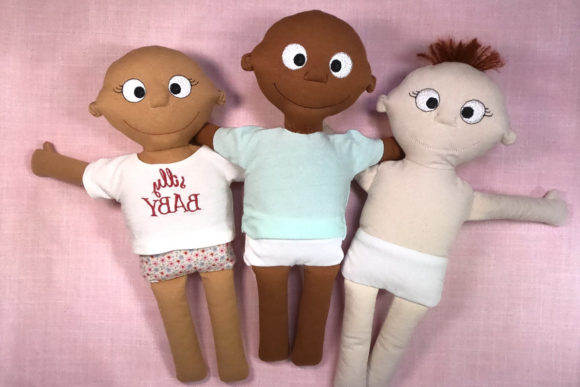
I can already picture a display: six dolls in varied skin tones or fabric colors, each with tiny embroidered faces and soft limbs, arranged in a vintage wooden crate. Add a small sign reading “stitched in the hoop, stuffed with love,” and you’ve created a story. The Silly Baby Rag Doll ITH works exceptionally well as an impulse gift purchase. Grandparents, aunts, and friends attending a market love picking up something personal for a little one, and this doll fits that niche perfectly.
Beyond the Toy: Complementary Product Ideas
While the design’s core use is a standalone rag doll, creative small shop owners can stretch its value. Consider digitizing a simplified outline version for embroidered patches—a tiny flat rag doll icon on a canvas pouch or baby onesie can coordinate with the plush toy. I’ve also seen sellers stitch just the facial features onto a knit baby blanket corner or a soft sensory tag, tying the collection together. The key is not to shrink the full ITH design onto a flat surface; dense stitch areas and tiny facial details won’t translate well to small patches or cap embroidery without heavy editing. Use the full In The Hoop project for the toy, and if you do branch out, test thoroughly on scrap fabric first.
Practical Production: From File to Fair Table
When I test an embroidery file like this for commercial use, I run through a mental checklist of real‑world stall demands. The Silly Baby Rag Doll ITH, being fun and easy to create in the hoop, is a strong candidate for batch production. That phrase “easy to create” from the product description rings true if your hoop size and stabilizer are right. I’d expect this design to stitch up efficiently, with the front and back panels aligned in one hooping session. You’ll still need to trim, turn, and hand‑stitch the closing gap, but that’s standard ITH workflow.
One of my biggest tips: prepare a cutting and stuffing station before you start batch production. Pre‑cut fabric squares slightly larger than your hoop, keep a sharp pair of duckbill scissors nearby, and stock up on polyfill that doesn’t clump. For a full‑day craft fair, I’d aim for twelve to fifteen dolls. The first one always takes the longest, but by number three, you’ll find your rhythm. Test stitch at least twice on the actual fabric you’ll sell, not just cheap muslin. Thread color changes the facial expression entirely—a slightly darker eye thread can turn sweet to startled.
Fabric Texture and Stabilizer: The Foundation of a Good Toy
Rag dolls must be soft, but machine embroidery designs this detailed need a stable base. I recommend a medium‑weight woven cotton or a cotton‑linen blend for the doll body. Quilting cotton works beautifully and comes in endless prints. Thick fabric like heavy canvas or denim will fight your needle on the curves, and overly textured towels or plush fabric obscure the delicate facial stitching. Avoid dark fabrics unless you’ve confirmed thread contrast; black fabric swallows fine details, and a baby’s face needs to be readable. For stabilizer, a tear‑away behind the fabric coupled with a water‑soluble topping if your material has any nap works wonders. Hoop size matters—check your embroidery file’s specs before buying, because some machines max out at 5x7 and this doll might need a larger hoop for a generous finished size.
Photography That Moves Product Online
For Etsy sellers and digital shop owners who showcase finished products, the Silly Baby Rag Doll ITH photographs like a dream. The three‑dimensional nature gives you options: shoot it cradled in a baby’s hands (with permission), propped among storybooks, or wrapped in tissue inside a gift box. Lifestyle shots sell handmade toys, and this doll’s simple charm means it doesn’t compete with busy backgrounds. Use natural window light to capture the texture of the fabric and the depth of the embroidery stitches. If you’re selling the embroidery file itself, a printable mockup showing the stitched doll on a clean, bright background helps customers visualize the end result. Just be transparent that the listing is for the digital embroidery file, not the physical toy, unless you’re selling finished products.
Density, Detail, and Durability: Things to Know Before You Stitch
I always inspect a design for dense stitch areas that could pucker or break needles during rapid production. With an ITH rag doll, the face carries the most concentrated stitching. Pay close attention to the eyes, cheeks, and any small lettering or mouth details. If the stitch density feels overly compact on your first test, slightly reduce your machine’s thread tension or swap to a finer thread weight. Tiny details near the seam line can shift when you turn the doll right‑side out, so reinforce those areas with a bit of fray check on the backside of the embroidery before assembling. The Silly Baby Rag Doll ITH should remain machine‑washable if you’re selling to families—confirm your stabilizer and thread choices support gentle cycles, and note care instructions on your booth tags.
Display and Customer Engagement at the Fair
At a market, your booth’s visual appeal determines how many people stop. A basket overflowing with Silly Baby Rag Doll ITH dolls in varied fabrics sends an instant message: wholesome, handcrafted, giftable. I like to hang one doll from a ribbon on a small display hook at eye level for children—they’ll tug a parent’s sleeve and point, and that’s your opening. Have a “demo doll” that customers can touch; the tactile experience of soft rag doll limbs converts browsers into buyers faster than any sales pitch.
If you also sell other handmade products like baby quilts, embroidered bibs, or nursery wall art, placing a doll alongside those items creates a themed vignette. The Silly Baby Rag Doll ITH acts as an anchor piece. A coordinated set—say, a quilt featuring a simplified embroidered doll motif, a matching bib, and the actual toy—encourages multiple sales. This kind of cross‑merchandising works powerfully for boutique makers and small shop owners.
Commercial Considerations and Final Checks
Before you commit a weekend to stitching, confirm the commercial embroidery license terms for the Silly Baby Rag Doll ITH. Most digital embroidery file designers allow selling finished handmade products, but verify whether the license permits unlimited craft fair sales or if attribution is required. Also, double‑check the hoop size, file format compatibility with your machine, and any included design assets. The product description doesn’t specify stitch count or exact formats, so investigate those details on the seller’s listing page. Nothing stalls a production run faster than realizing your 4x4 hoop won’t fit a 6x10 design.
Who Should Add This Design to Their Lineup
If you’re an Etsy seller specializing in baby gifts, a Cricut crafter expanding into embroidery, a creative entrepreneur building a boutique toy brand, or a craft fair veteran looking for a fresh high‑demand item, the Silly Baby Rag Doll ITH earns its spot on your USB. It’s fast to produce, easy to customize with fabric scraps, and taps into the evergreen market for handmade, child‑safe toys. The design’s simplicity means your thread color changes pack a big visual punch, and the in‑the‑hoop construction reduces post‑stitch sewing time dramatically.
For tea towel sets or apron embroidery, this wouldn’t be my first pick—the 3D nature doesn’t flatten elegantly, and a full rag doll motif on a kitchen item feels thematically mismatched. But as a toy, a baby shower gift, or a booth centerpiece, it’s solid. I’d stake a table on it.